
Broken Arrow Storm Damage
Catastrophic wind and rain storms leave lingering roof punctures and ceiling leaks that require extensive emergency dry-outs. Our emergency mitigation specialists respond immediately to stabilize compromised structures and prevent ongoing water intrusion. We protect structural integrity with high-capacity extraction and thermal imaging diagnostics.
When it's safe to return, call (918) 555-0171 and we'll schedule an assessment.
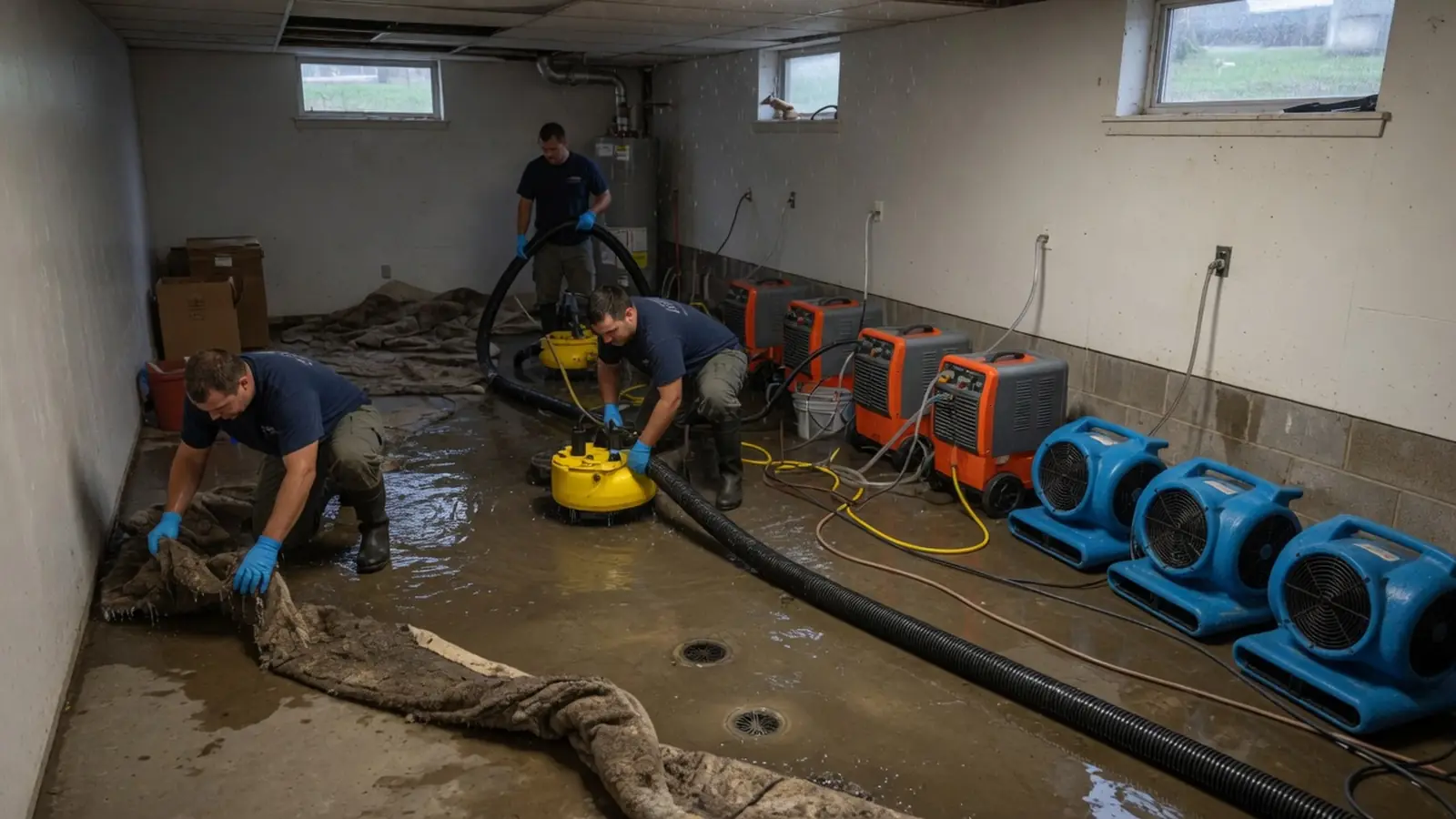
Dedicated Storm Recovery Specialists
Our crew delivers comprehensive emergency restoration across regional neighborhoods affected by severe weather.
A pattern echoed in public discussions is that major storm events cause mystery moisture to saturate framing and flooring that standard roof and plumbing inspections fail to pinpoint.
Newer slab-on-grade homes in Battle Creek subdivisions face direct ground-floor flooding when heavy spring storms overwhelm local drainage channels, requiring rapid surface extraction.
We deploy industrial air movers and desiccant dehumidifiers to halt structural decay before moisture ruins subflooring.
Property owners rely on our certified specialists for complete structural drying and property recovery services after sudden weather emergencies.
Our Emergency Storm Mitigation Process
Homeowners struggle to assess hidden storm-driven water intrusion and roof structural compromise before filing an insurance claim. We provide systematic inspection and rapid stabilization so you have documented evidence and immediate structural protection.
- Immediate Structural Assessment. Our technicians map hidden moisture pathways using thermal imaging and calibrate drying targets across wall cavities.
- Water Extraction And Flood Mitigation. We extract standing runoff and help clients who need to schedule rapid water removal after major storms to protect slab foundations.
- Deep Dehumidification And Framing Dry-Out. As homeowners often describe in local forums, storm-driven roof leaks that discolor ceiling drywall cause urgent worry about secondary mold infestation and structural wood rot. We run commercial LGR dehumidifiers to pull bound moisture from roof trusses and wall studs.
- Subsurface Drainage And Hydrostatic Relief. Broken Arrow's dense red clay soil traps ground runoff against foundation walls, creating hydrostatic pressure that forces groundwater directly through concrete basements and slabs. Because Broken Arrow clay prevents natural soil percolation, gravel-encased perforated drains are necessary to create low-pressure cavities that redirect groundwater away from foundations.
Our Rigorous Drying Standard
We follow strict IICRC standards for psychrometric drying, structural sanitization, and moisture mapping. When storm runoff overburdens plumbing systems, mature oak and elm roots in older South Broken Arrow neighborhoods invade clay sewer laterals, turning standard pipe blocks into Category 3 biohazard blackwater backflows. Our certified technicians isolate contaminated sectors and implement certified containment and fungal elimination protocols before rebuilding.
Floodplain Runoff Management
Homeowners relocating near localized floodplains and drainage creeks face uncertainty over stormwater runoff risks and mandatory flood insurance costs. We provide perimeter water diversion, emergency sump pump deployment, and grade assessment to protect vulnerable low-lying residences.
Emergency Roof Leak Dry-Out
Severe wind shears compromise shingles and decking, allowing rainwater to penetrate attic insulation and ceiling drywall. We install emergency tarps, extract trapped attic water, and dry saturated ceiling framing with directed airflow.
Basement And Slab Moisture Control
Heavy storms saturate expansive soil and force groundwater upward through expansion joints and foundation cracks. Our crew uses industrial dehumidification, antimicrobial treatments, and deep-extraction mats to restore finished flooring.
Our Approach To Emergency Storm Mitigation
We approach every storm recovery project with rapid stabilization and documented moisture profiling. Our crew utilizes calibrated thermal meters and industrial extraction systems to safeguard living spaces, prevent secondary fungal contamination, and ensure building materials dry to regional equilibrium standards.
- 12Zip Codes Served
- 5Service Areas
- 3Services Offered
Local property owners describe their experience with our emergency storm extraction and structural restoration services.
“My elderly mother uses a walker, so having storm water seep across the hallway was a massive fall hazard. The crew immediately routed heavy drying hoses away from her walking path and set up safety ramps over the thresholds. Their thoughtful setup gave us complete peace of mind while they extracted water from the subfloor.”
Martin G.
“Severe lightning shut down road access right as the technicians were heading to our flooded property. As soon as local deputies reopened the flooded intersections, the team arrived with double drying equipment and worked late into the night to catch up. They managed to extract every puddle and stabilized our saturated drywall on the original schedule.”
Brenda K.
“Our subdivision HOA has strict guidelines regarding noisy generators and utility trailers parked on neighborhood streets. The crew spoke directly with the board president, placed sound dampeners around the extraction units, and staged all equipment inside our driveway. Their courteous approach prevented any neighbor complaints while drying our storm-damaged ceiling.”
Clifford V.
“Three months have passed since the gale-force rainstorm pushed gallons of runoff through our back patio sliders. Living in the house today, there is absolutely zero lingering musty smell and the moisture readings remain completely normal. This company protected our hardwood floors from buckling and saved us from a total floor replacement.”
Danielle P.
Frequently Asked Questions
How quickly should water mitigation begin after storm damage?
Emergency mitigation must begin within 24 to 48 hours to stop microbial growth and prevent permanent warping of saturated subflooring and framing. Prompt extraction removes bulk floodwater before moisture penetrates porous wallboard and foundational sill plates.
Will homeowners insurance cover storm water extraction and repairs?
Standard policies typically cover wind-driven rain and sudden roof punctures, while surface runoff flooding requires a separate flood policy. We generate comprehensive digital psychrometric logs and moisture readings to help validate your claim with adjusters.
Why does heavy rain cause ground moisture intrusion around foundations?
Dense local clay retains rainwater against foundation footings, generating hydrostatic pressure that forces groundwater through concrete slabs. Relieving exterior hydrostatic pressure requires proper perimeter drainage channels and rapid interior moisture extraction.
How many days does structural drying take following storm water damage?
Complete structural drying typically takes three to five days using industrial dehumidifiers, air movers, and continuous thermal monitoring. Dense wall assemblies or multi-layer subflooring may require supplemental drying equipment to reach certified baseline standards.
Can storm-driven ceiling water leaks cause hidden mold growth?
Moisture trapped between roof decking and ceiling drywall can initiate active mold colonization within twenty-four to forty-eight hours. We apply EPA-registered antimicrobial treatments to structural wood framing to prevent fungal spores from spreading.